
Find the lens that actually suits you
From everyday Single Vision to Progressive, BlueBlock to Polarised — here’s everything Omega Opticians wants you to know before you pick your next pair. No jargon, just clarity.
Single Vision Lenses
One correction, refined three ways — from everyday clarity to edge-to-edge precision.

Standard Single Vision
What it does
Corrects one field of vision — distance or near — with a uniform prescription across the whole lens.
Why it's better
The most affordable route to clear, dependable vision for everyday tasks like reading, driving, or screen work.
Who needs it
First-time glasses wearers, students, and anyone with a simple prescription who wants reliable clarity without extra cost.

Single Vision Edge
What it does
Refined lens edging and optimized curvature reduce the mild distortion typically seen at the outer rim of a basic lens.
Why it's better
Sharper peripheral vision — less "swimming" or blur when you glance sideways, so your whole field of view feels natural.
Who needs it
Desk workers, drivers, and parents keeping an eye on more than one thing — anyone scanning between screens and people all day.

Single Vision Edge Plus
What it does
Our most advanced single vision design, engineered for maximum edge-to-edge clarity with virtually no peripheral distortion.
Why it's better
A noticeably wider "in-focus" zone across the entire lens — not just the center — for the crispest everyday vision available.
Who needs it
Detail-driven professionals — designers, doctors, lawyers — and anyone who wants the best of single vision, no compromises.
Progressive Lenses
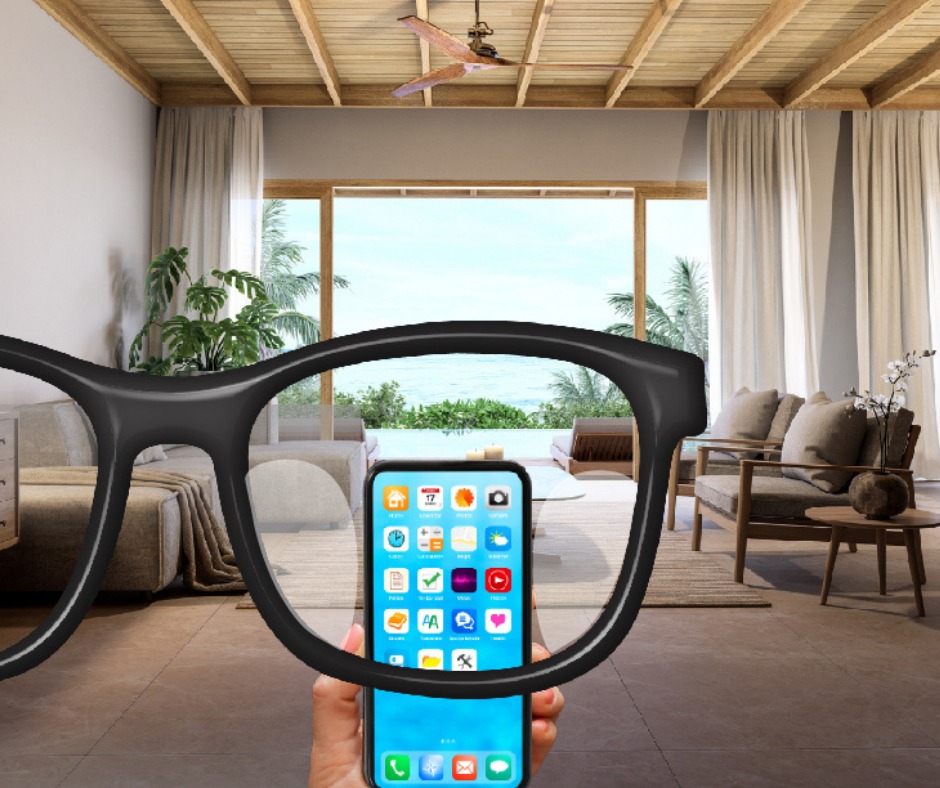
No visible line, no compromise — a seamless corridor from near to far that widens as you move up the range.
Standard Progressive
What it does
Blends near, intermediate, and distance vision into one lens with no visible line — a seamless alternative to bifocals.
Why it's better
One pair replaces the need to switch between readers and distance glasses, with a smooth (if narrower) transition zone.
Who needs it
First-time progressive wearers (typically 40+) just starting to need help with both near and far vision, on a friendly budget.

Progressive Exceed
What it does
Widens the corridor — the clear vision "pathway" — between near, intermediate, and distance zones vs. Standard Progressive.
Why it's better
Less head-tilting to find your sweet spot, faster adaptation, and a noticeably wider comfortable reading and screen zone.
Who needs it
Working professionals moving constantly between phone, laptop, and meetings — eyes that need to keep up with a busy day.

Easy Lux Progressive
What it does
Our top-tier progressive design with the widest possible field of clear vision at every distance and near-instant adaptation.
Why it's better
Maximum peripheral clarity and minimal distortion — the most natural, effortless transition between near and far.
Who needs it
Executives, frequent travelers, and anyone who refuses to compromise on visual comfort throughout the day.
Bifocal Lenses
A defined, dependable split between near and distance vision — three segment shapes, one dependable idea.

Flat Top Bifocal
What it does
Uses a D-shaped ("flat top") reading segment set into the lower half of the lens, clearly separated from the main distance zone.
Why it's better
The wide, flat edge of the segment gives a broad, easy-to-find reading area with minimal image jump between zones compared to round segments.
Who needs it
First-time bifocal wearers and anyone who wants a generous, easy-to-locate reading zone without paying for a progressive.
When to use it
Everyday use for reading, paperwork, and screen work at a fixed near distance — the most popular, all-round bifocal choice.

Round Segment Bifocal
What it does
Places a small, circular reading segment discreetly within the lower lens, rather than a wide flat-top shape.
Why it's better
The compact, rounded segment blends more subtly into the lens and suits smaller frames where a wide flat-top segment would look crowded.
Who needs it
Clients with smaller or narrower frames, and anyone who prefers a more understated, less visible segment line.
When to use it
Best for occasional near tasks — quick reads, price tags, menus — where a smaller reading window is enough.

Executive Bifocal
What it does
Runs the reading segment across the FULL WIDTH of the lens as one straight dividing line, maximizing the near-vision area.
Why it's better
The widest possible reading zone of any bifocal style — no need to hunt for the segment, since it spans edge to edge.
Who needs it
Professionals who read across a wide desk or table setup — accountants, assemblers, musicians reading sheet music — anyone needing a broad, uninterrupted near field.
When to use it
Ideal for prolonged, wide-field near work rather than quick glances — desk-based professionals who need maximum reading real estate.
